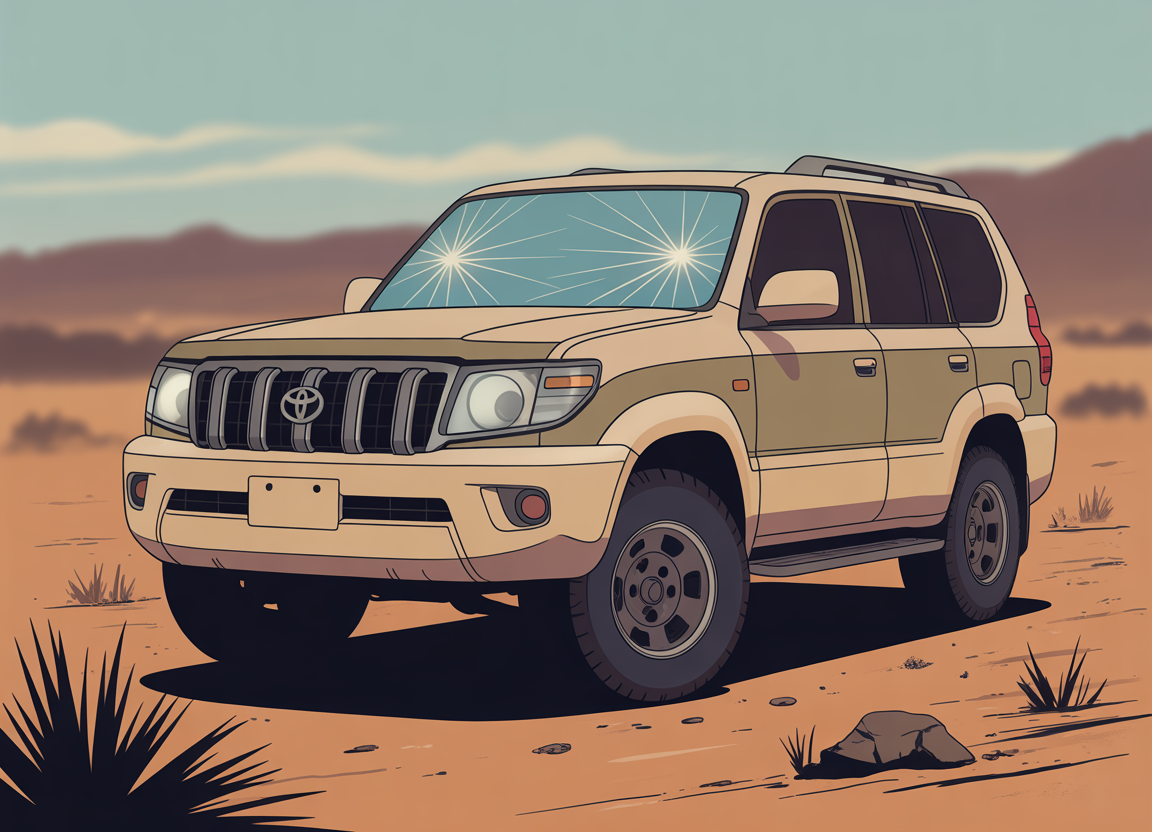
Discover common Toyota Prado problems and how to avoid them. The Toyota LandCruiser Prado has a strong reputation for durability, comfort, and genuine off-road ability—but like any popular 4×4 sold across multiple generations (120/150/250) and engines, a few repeat issues show up in owner complaints, recalls, and service campaigns.
By Gustavoblalmiras • Last updated: March 2026
This article is for educational and general information only.
This guide focuses on 5 problems that can be expensive or frustrating if you miss them, plus exactly what to check on a test drive and in the service history.
VIN-first rule: Prado issues are often engine/market/year specific. Always confirm recalls and campaigns using your VIN in your country (links in the checklist below).
Quick context: which Prado do you have?
- 120 Series (early/mid-2000s): commonly diesel 1KD-FTV 3.0 D-4D (market dependent) and petrol V6 options.
- 150 Series (2010s–early 2020s): diesel engines vary by market; some regions have well-known DPF concerns, plus door/trim wear on higher-mileage cars.
- 250 Series (newest): too new for long-term patterns in many markets—still check recalls and early technical campaigns.
Because the Prado is sold globally with different engine codes and specs, match each issue to your exact model year/engine before you worry. The checks below help you do that.
1) DPF issues (diesels): frequent regeneration, limp mode, warning lights
If you’re buying a diesel Prado, the DPF (diesel particulate filter) can be a make-or-break item—especially if the vehicle spent years on short trips where the exhaust rarely gets hot enough to complete regeneration properly.
Australia note (VIN-specific): Toyota Australia maintains an official information page related to the DPF class action for certain diesel Hilux/Prado/Fortuner vehicles and engine families within a purchase/lease date range. Use Toyota’s page as the starting point and confirm eligibility/history via VIN and paperwork.
- Official info: Toyota Australia: DPF class action page
- News coverage (context): carsales | Business coverage
Symptoms to watch for
- DPF warning light, engine light, or “check engine”
- Frequent regeneration (fans running after shut-down, elevated idle, hot smell)
- Poor fuel economy, sluggishness, occasional limp mode
Why it happens (simple version)
DPFs trap soot and need periodic regeneration (burn-off). Short trips and low-speed driving can interrupt regeneration cycles and increase soot loading. Toyota has published a driver-focused explanation of DPF regeneration behaviour and what you may notice during normal operation.
Toyota UK: DPF regeneration explainer
What to check before buying
- Ask: “Has the DPF system had software updates, repairs, or repeated warnings?”
- Check invoices for dealer updates and DPF-related work.
- Confirm the driving pattern suits diesel ownership (regular longer runs help).
- If possible, scan for stored DPF-related fault codes (even if no lights are on).
2) Fuel system faults and recalls: stalling risk, fuel leaks, no-restart
Fuel system issues matter because they can lead to stalling or a no-restart situation. Recalls are market- and VIN-specific, but the Prado has appeared in recall notices in some regions/years.
Example recall checks (Australia)
Australia’s official Vehicle Recalls site includes notices that describe issues such as fuel inlet pipe torque concerns (fuel leakage + stalling hazard) and fuel pump defects (rough running, stalling, possible no-restart). Always verify your VIN status and ensure recall work is completed.
- Vehicle Recalls (example notice): fuel inlet pipe
- Vehicle Recalls (example notice): fuel pump defect
- Toyota Australia recall info (fuel pumps)
What to look for on inspection
- Diesel smell in the engine bay
- Dampness around fuel lines/rail area (inspect safely—no open flames)
- Hard starting, rough running, or “sometimes it cuts out” stories
3) Transmission issues: shudder, delayed shifts, harsh changes
Prado automatics are generally robust, but some owners report shuddering at cruise, delayed engagement, or odd shift behaviour—often tied to fluid condition/level, leaks, or wear.
A practical starting point is checking fluid level/condition and service history. CarsGuide’s Prado transmission Q&A also points to fluid level and servicing as key first steps when diagnosing shift problems.
CarsGuide: Prado transmission Q&A
Symptoms to watch for
- Shudder at steady speeds (can feel like rumble strips)
- Delay when selecting Drive/Reverse (then a clunk)
- Harsh shifts (especially when warm)
- Slip/rev flare between gears
What to check before buying
- Drive it cold and fully warmed up.
- Test: light-throttle cruise, gentle hill climb, stop-start traffic, parking manoeuvres.
- Inspect service history (don’t accept “lifetime fluid” as proof of care).
- Look for leaks under the vehicle and around the transmission area.
4) 1KD-FTV diesel injector seals/washers: sludge risk if ignored (120 Series diesels)
If you’re looking at a 120 Series diesel (or early 150) with the 1KD-FTV, injector seat washer/seal problems are worth checking. The concern isn’t that every vehicle fails—it’s that if it does happen and the vehicle is driven on, it can become expensive.
Symptoms to watch for
- Excessive smoke at cold start
- Injector knock/rattle when cold
- Rough idle, poor economy
- Strong diesel smell in oil / unusual oil condition (requires proper inspection)
What to check before buying
- Ask whether injector seals/washers have been replaced and request invoices.
- Check oil change history closely (regular clean oil matters on older diesels).
- If possible: specialist pre-purchase inspection (diesel specialist) and diagnostic checks.
Approval tip: For your References section, link to a high-trust technical source (Toyota bulletin, reputable diesel training provider, or OEM documentation) instead of a rehosted PDF.
5) Rear door sag / cracking (especially 120 Series with door-mounted spare)
The rear door carries a lot of weight (door + spare wheel + accessories). Over time it can sag, rattle, or crack—especially if heavier wheels/tyres or extra carriers were fitted.
CarsGuide has described rear door cracking on the hinge side as a common 120 Series issue associated with the spare wheel weight.
CarsGuide: Prado cracked rear door Q&A
What to check before buying
- Open/close the rear door multiple times—feel for sag and listen for rattles.
- Inspect hinge-side seams for cracks or prior repair.
- Check for heavier-than-stock spare/wheel setups that increase door stress.
Used Toyota Prado “Buy-Smart” Checklist (10 minutes)
- Check open recalls in your country/region:
- Australia: Vehicle Recalls
- USA: Toyota VIN recall lookup
- UK: GOV.UK recall checker
- Scan for stored codes (DPF, fuel system, transmission).
- Drive it cold and warm—many issues appear after heat soak.
- Check diesel suitability: frequent short trips can be hard on DPF systems.
- Check for fuel smells/leaks and verify fuel-related recalls are completed (VIN + paperwork).
- Transmission behaviour at cruise (shudder/lock-up feel) plus service history.
- Rear door alignment + cracks (hinge side), especially on 120 Series.
- Book a pre-purchase inspection if you’re serious—especially on older diesels and high-mileage tourers.
FAQs
Is the Toyota Prado reliable overall?
Generally yes—but reliability depends heavily on engine type, service history, and whether known recalls/campaigns have been completed. Use the VIN recall checkers and don’t skip an inspection.
Should I avoid diesel Prados because of DPF?
Not automatically. If your driving includes regular longer runs and the vehicle has good history (and any relevant campaigns handled), diesels can still be a great choice. Toyota’s explainer describes regeneration behaviour and what to expect.
How do I know if my Prado is affected by a recall?
Recall eligibility is VIN-specific and varies by market. Use an official recall checker for your country and confirm completion with paperwork or dealer records.
About the author
Gustavoblalmiras publishes practical driver and used-car buying guides at DriversAdvice.com. For corrections or updates, please use the site contact page.
References (clean links)
- Toyota Australia: DPF class action page
- carsales | Business: DPF class action coverage
- Toyota UK: DPF regeneration explainer
- WhichCar: DPF driving pattern explainer
- Vehicle Recalls AU: example recall notice
- Vehicle Recalls AU: example recall notice
- Toyota Australia: fuel pump recall info
- CarsGuide: Prado transmission Q&A
- CarsGuide: Prado cracked rear door Q&A
- Vehicle Recalls (AU)
- Toyota Recall Lookup (US)
- GOV.UK Recall Checker (UK)