By Gustavoblalmiras • Last updated: March 2026
A blown fuse, wiring/connectors, a failed switch or motor, and seat-track binding are common causes of power seat failure on the Chevrolet Captiva. But power seats are just one of several Captiva trouble spots worth understanding—especially if you’re shopping used and want to avoid buying someone else’s expensive “project.”
This is only for educational purposes. This guide is not a substitute for a professional inspection. Electrical systems, fuel systems, and steering/suspension faults can be safety-critical—if you suspect an issue, use a qualified technician and verify recalls by VIN.
The Chevrolet Captiva name has been used across different markets (and sometimes different underlying vehicles), so reported issues vary by region, model year, engine, and gearbox. Still, across many Captiva/Antara-era models, common themes appear repeatedly: electrical gremlins, timing chain concerns on certain engines, automatic gearbox complaints, diesel DPF headaches, steering clunks, fuel-leak recalls, and tailgate corrosion in specific areas.
Quick verdict (who should buy a Captiva?)
- Good fit if: you find a well-maintained example with clear service history, no warning lights, smooth shifting, and recalls confirmed as completed.
- Proceed carefully if: there’s timing chain noise, gearbox flaring/slipping, persistent DPF warnings (diesels), recurring electrical issues, or unclear recall status.
- Best money-saving move: pay for a pre-purchase inspection plus a diagnostic scan. It’s cheaper than guessing.
First: know which Captiva you’re looking at
In many UK/EU/AU/NZ contexts, “Captiva” usually refers to the 5/7-seat SUV sold through the late 2000s into the mid-2010s (closely related to the Opel/Vauxhall Antara). The 2011 refresh and later updates can change the ownership experience (especially on diesels and electronics).
Why this matters: when people say “Captiva problems,” they may be describing different engines/gearboxes and different recall campaigns. Always match advice to your exact engine + year + VIN.
1) Power seat failures (fuse, wiring, switch, motor, or track binding)
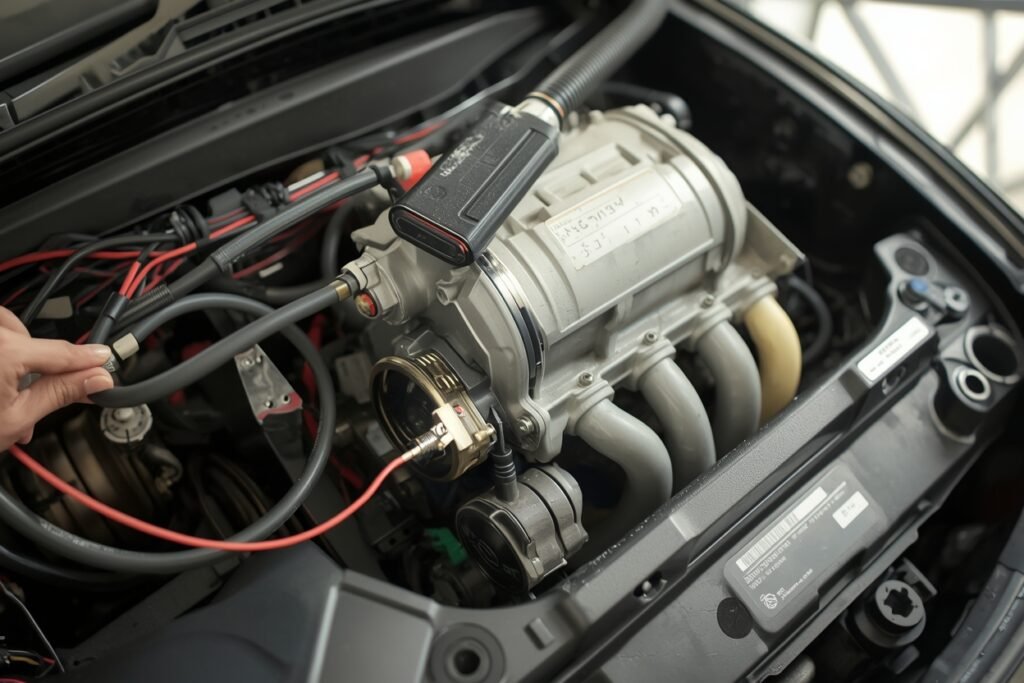
Power seats are a chain: fuse → wiring/connectors → switch/module → motor → seat track/gears. If any link fails, the seat may stop moving, move only one direction, or repeatedly blow fuses due to mechanical binding.
Common symptoms
- Seat doesn’t move at all (no sound)
- Seat moves one way but not the other
- Seat works, then stops again later
- Seat movement looks crooked/jammed (track misalignment/binding)
Common causes (what workshops usually check first)
- Blown fuse or overloaded circuit
- Loose/damaged connectors under the seat (movement and moisture don’t help)
- Switch, motor, or wiring fault
- Track/gear binding (increases load and can trigger repeat failures)
Buying tip: run the seat through its full range (forward/back, height, recline). If it strains, sticks, or stops mid-travel, treat it as a mechanical + electrical problem—not “just a fuse.”
2) Timing chain wear and rattle (engine-specific, high wallet-risk)
Timing chain issues are one of the biggest “budget breakers” on certain Captiva engines. Discussion is most common around some petrol 2.4 variants and certain V6 applications, with oil quality and service intervals often described as major contributing factors.
Symptoms to watch for
- Rattle/clatter at startup (cold is especially revealing)
- Check engine light + timing correlation-related faults on diagnostics
- Rough idle, hesitation, loss of power (in advanced cases)
Buyer move: insist on a true cold start, check for consistent oil-service history, and don’t ignore repeatable chain noise. If the seller says “it always does that,” budget for inspection immediately.
3) Oil leaks (timing cover areas and general sealing)
Oil leaks are common on aging SUVs, but Captiva owners frequently discuss leaks around timing cover/engine front areas on some engines. Even “minor” leaks matter because low oil can accelerate timing chain wear and turbo wear on diesels.
Symptoms
- Oil smell after driving
- Drops under the engine after a long drive
- Oily residue around the engine front/undertray
- Oil level dropping between services
Buyer checks: look underneath with a torch, check the dipstick/level history, and scan the service record for repeat “oil leak” notes.
4) Automatic transmission issues (slipping, flaring, delayed engagement)
Automatic gearbox complaints show up often enough that multiple used-car sources flag them. Reported symptoms include loss of drive, flare/slip between gears, harsh shifting, and delayed selection of Drive/Reverse.
Symptoms
- Hesitation selecting Drive/Reverse
- Flaring (revs rise, then gear catches)
- Shuddering under load or during gear changes
- Warning lights / limp mode
How to test properly (without “guessing”): drive from cold to fully warm. Include creeping in traffic, gentle acceleration, and steady cruise where you can feel smooth upshifts and downshifts.
5) Manual gear linkage problems (hard shifting / vague selection)
Manual Captivas can show shifting complaints too, often described as notchy, vague, or difficult selection (especially 1st/2nd or reverse). Sometimes it’s linkage/bush wear; sometimes it’s clutch/flywheel related.
Buyer tip: if shifting feels “off,” don’t assume it’s a cheap fix—get it assessed. The same symptom can be minor or expensive depending on the root cause.
6) Diesel DPF problems (warning light, limp mode, repeated regens)
If you’re shopping a diesel Captiva and you do lots of short trips, DPF issues deserve real attention. Interrupted regeneration cycles, sensor faults, EGR issues, or boost problems can snowball into repeated warnings.
Symptoms
- DPF/emissions warning light
- Limp mode / reduced power
- Poor fuel economy
- Frequent fan running / hot smell after short trips (regen behavior)
AdSense-safe note: avoid illegal emissions tampering (DPF deletes/EGR deletes). It can create legal/inspection issues and often causes new drivability faults.
7) Turbocharger wear/failure (maintenance history matters)
Turbo life is strongly influenced by oil quality, service intervals, and whether prior faults (boost leaks, EGR issues, clogged intake) were ignored.
- Watch for: whining under boost, loss of power, smoke under load, and rising oil consumption.
- Buyer check: boost should build smoothly and the car shouldn’t feel “flat” above ~2,000 rpm (engine dependent).
8) Steering clunks/knocks (and steering-related recalls in some markets)
Steering noises are common on used SUVs, but Captiva has received specific attention in some regions. If you hear clunks or feel “notchy” steering, treat it seriously and verify recall status where relevant.
Symptoms
- Clunk/knock when turning at low speed
- Vibration through the steering wheel
- Inconsistent steering feel
9) Fuel hose / fuel leak recalls (fire-risk category — check by VIN)
Fuel leaks are always high priority. Some sources describe recall actions related to fuel hose routing/chafe concerns on certain diesel Captivas.
- Always run a VIN recall check for your country (manufacturer portal, dealer, or national safety database).
- If you smell fuel or see wetness/drips: park safely and have it inspected immediately.
10) Air conditioning stops working (can be electrical or control-related)
A/C faults can be mechanical (leaks/compressor/condensor) or control-related. Some technical guidance notes cases where incorrect programming/coding after service can affect compressor activation on certain Captiva systems—meaning diagnosis may require the right tools and procedures.
Buyer check: test A/C at idle and while driving, and confirm it stays cold consistently (not “cold for two minutes”).
11) Electrical gremlins (locks, alarms, wash/wipe, warning lights)
Intermittent electrical faults are common used-car headaches because they’re hard to reproduce. Captiva owner reports often mention central locking quirks, rear wash/wipe issues, alarms triggering unexpectedly, and random warning lights.
Buyer tip (high value): treat your test drive like a systems check. Test windows, mirrors, locks, tailgate switch, wipers/washers, lights, infotainment, parking sensors, and the charger ports/12V socket. “Small” faults stack up fast in time and money.
12) Tailgate rust / bubbling paint near trim
Communities for Captiva and Antara frequently mention rust bubbling around tailgate trim areas (often near chrome/plastic trim where moisture and debris can sit). Bubbling paint usually means corrosion underneath—not “a quick polish fix.”
- Check: tailgate edges, around the number plate area, and behind/around trim lines.
- If you see bubbles: assume rust is present beneath paint and price the car accordingly.
What to check BEFORE buying a used Chevrolet Captiva
A) Paperwork (fast, high signal)
- Oil service history (critical for chain and turbo longevity)
- Automatic: evidence of proper transmission servicing/repairs (if applicable)
- Proof of recall completion (fuel/steering related where relevant)
- Diesel: evidence DPF/EGR issues were addressed properly (not ignored)
B) Cold start (don’t skip this)
- Listen for timing chain rattle
- Check for warning lights that stay on after startup
C) Test drive (15–20 minutes minimum)
- Auto: check for flaring, harsh shifts, delayed engagement
- Manual: check consistent, smooth gear selection (including reverse)
- Diesel: watch for DPF/emissions warnings and limp behavior
- Steering: listen/feel for clunks at low speed
D) Park-up checks (the “hidden problems” zone)
- Run A/C and confirm stable cooling
- Test seat motors through full range
- Inspect tailgate for bubbling paint/rust
- Look and smell for any fuel odor (never ignore)
FAQ
Is the Chevrolet Captiva unreliable?
It depends on the exact variant and how it was maintained. Many complaints cluster around gearboxes/gear linkages and intermittent electrical issues—so a neglected example can feel “unreliable,” while a well-maintained one can be usable family transport.
Should I avoid a diesel Captiva?
Not automatically. But if your driving is mostly short trips, DPF issues become more likely. Diesels generally behave better with regular longer runs and prompt attention to warnings.
What’s the biggest deal-breaker sign?
Consistent timing chain rattle and clear transmission flaring/slipping are two of the most expensive warning signs. Also treat fuel smell/leaks and steering faults as urgent safety concerns.
Source links (for your References section)
https://www.rac.co.uk/drive/car-reviews/chevrolet/captiva/captiva-2011-2015/
https://www.carsguide.com.au/car-advice/q-and-a/is-there-a-problem-with-the-timing-chain-in-my-2016-holden-captiva-81770
https://www.carsguide.com.au/holden/captiva/problems/transmission
https://www.carsguide.com.au/car-news/more-than-14000-holden-captivas-recalled-23332
https://www.autoinsider.co.uk/recalls/r2018129-chevrolet-captiva
https://www.goauto.com.au/news/holden/captiva/holden-recalls-captiva-over-steering-fault/2010-01-07/16914.html
https://www.hella.com/techworld/uk/bi/chevrolet-captiva-air-conditioning-system-not-working/
https://www.honestjohn.co.uk/forum/post/135717/2011-chevrolet
GM 2.4 Ecotec Timing Chain Problem Explained
https://www.chevroletownersclub.co.uk/threads/captiva-2-2-oil-leak-from-timing-chain-cover.3450/
https://www.chevroletownersclub.co.uk/threads/electric-seat-failure.8078/
https://www.startmycar.com/gb/chevrolet/captiva/problems/electrical-system
https://www.chevroletownersclub.co.uk/threads/rust-on-tailgate.706/
https://www.chevroletownersclub.co.uk/threads/tailgate-rust-on-series-2.3413/
https://www.antaraownersclub.com/threads/rusting-tailgate.423/