
By Gustavoblalmiras • Last updated: March 2026
Better gas mileage driving tips work best when they’re treated like a diagnosis, not a motivational poster. Most drivers don’t need to drive perfectly—they just need to stop bleeding fuel in a few predictable places: speed creep on open roads, late braking in traffic, cold tyre pressure, roof drag, and unnecessary idling.
This is only for educational and general information.
Here’s the part most articles skip: fuel economy is a measurement problem before it’s a driving problem. If you don’t measure properly, you’ll “try everything,” see random results, and quit. This guide fixes that with a simple method:
- Identify your top MPG leaks (the biggest 2–3 culprits for your driving).
- Patch them with safe techniques that don’t annoy other drivers or risk tickets.
- Prove the improvement using a 7-day tracker.
Quick safety disclaimer
This article is general information and doesn’t replace your owner’s manual, local laws, or professional advice. Always drive safely, keep a safe following distance, and never attempt risky manoeuvres to save fuel.
The “MPG leaks” idea (why you’re probably wasting more fuel than you think)
Aggressive driving—speeding, rapid acceleration, hard braking—can lower gas mileage by roughly 15% to 30% at highway speeds and 10% to 40% in stop-and-go traffic. The range is wide because “aggressive driving” isn’t one behaviour—it’s a cluster of habits that stack up.
- Speed drifting up from 55 to 72 “because the road is open”
- Following too closely (forcing late braking)
- Racing to red lights
- Idling to warm up or while waiting
- Drag from roof boxes/racks
- Underinflated tyres (more rolling resistance)
Instead of trying to become a different person behind the wheel, you’re going to run a short audit and fix the biggest leaks first.
Watch this first (optional)
Optional: a 3-minute visual overview before you start the 7-day test.
Step 1: Measure fuel economy the clean way
If you only look at dashboard MPG for a single trip, you’re mostly measuring traffic, wind, temperature, and route quirks. Use one of these methods for a 7-day test:
Method A (best): “Fill-to-fill”
- Fill up until the pump clicks off.
- Reset Trip A (or note odometer).
- Drive normally for at least 4–7 days.
- Fill up again (same station/pump if possible).
- MPG = miles driven ÷ gallons added (or L/100 km if you prefer).
Method B (easy): “Same commute comparison”
Pick your most common route and compare:
- Week 1 baseline
- Week 2 with changes (compare similar time of day + traffic)
Why this matters: small improvements are easy to miss unless you track consistently. Measurement gives you feedback so you keep the changes that work and drop the ones that don’t.
Step 2: Do a 3-minute “MPG leak audit” (find your top 3)
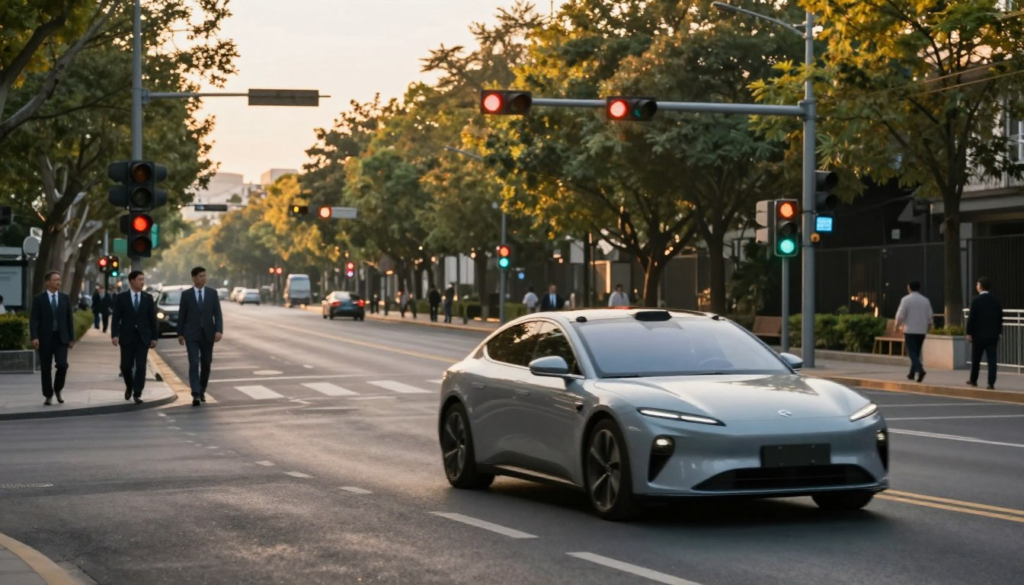
Circle the biggest 2–3 that match your reality. Then focus only on those for the next week.
Leak A — The Speed Tax
Above about 50 mph, fuel economy drops as aerodynamic drag rises. A simple takeaway: small speed reductions on open roads often return surprisingly large savings.
Leak B — The Stop Tax
Stop-and-go driving plus late braking wastes energy you already paid for. Aggressive patterns in traffic are where big fuel losses happen.
Leak C — The Idle Tax
Idling for more than about 10 seconds can use more fuel (and create more emissions) than shutting off and restarting—when safe and legal.
Leak D — The Drag Tax
Roof cargo increases drag. A rooftop cargo box can reduce fuel economy on the highway (and the faster you go, the worse it gets).
Leak E — The Rolling Tax
Underinflated tyres increase rolling resistance and reduce fuel economy. Keeping tyres properly inflated can produce a small but reliable improvement.
Now you’ll fix the biggest leaks with techniques that are practical (and won’t make you “that driver”).
The fix list (safe techniques that actually move the needle)
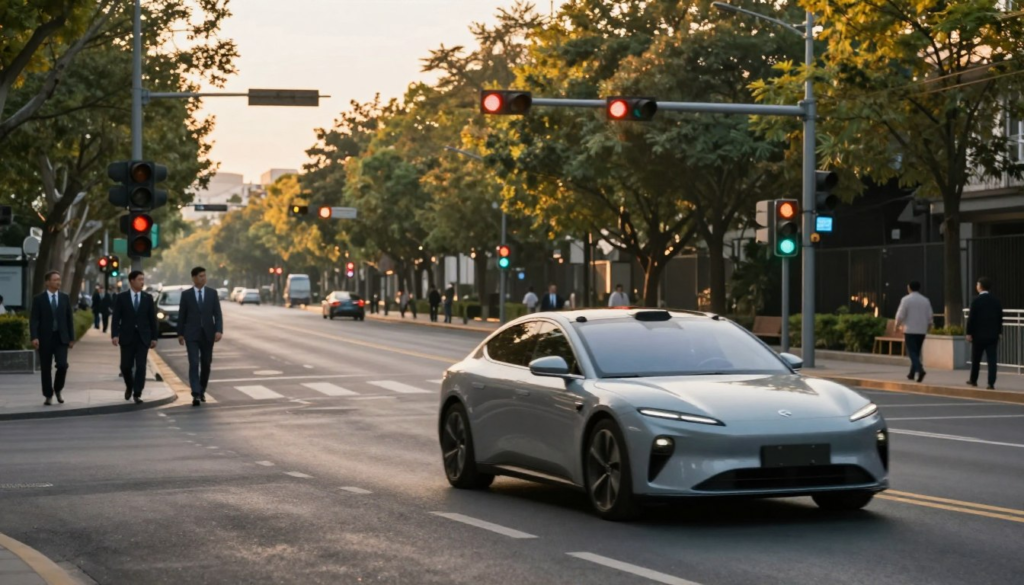
1) Patch the Speed Tax without driving “slow”
Pick a “cap speed” you can hold comfortably within the law. If you usually drift to 75, holding closer to 68–70 (where safe/legal) is often a meaningful savings without changing your whole life.
What to do (practical, not preachy):
- Use cruise control on flatter motorway sections if it helps you hold steady speed.
- If cruise control surges on hills, use your foot and accept small speed changes rather than big throttle swings.
- When you catch yourself speeding up for no reason, lift slightly and settle back to your cap.
2) Patch the Stop Tax with “early lift” (not slow driving)
Hard braking isn’t just brake wear—it’s fuel you can’t get back.
The early-lift method:
- Keep a safe following distance.
- When you see a red light ahead—or traffic compressing—lift off the accelerator early.
- Coast in gear, then brake gently at the end.
You’re not coasting like a hazard—you’re using the space you created to avoid panic braking.
3) Patch the Idle Tax (stop warming up the old way)
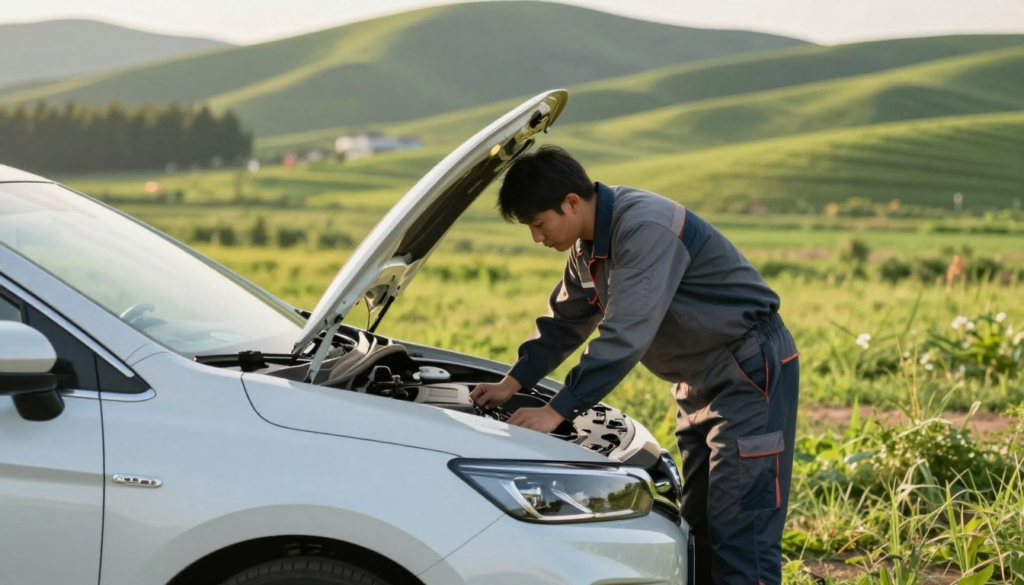
Idling feels harmless. It isn’t.
What to do (safe/legal first):
- If you’re parked and safely out of traffic and expect to wait, switching off can save fuel (where legal).
- Don’t fight your car’s stop-start system. It’s doing the optimisation for you.
Exception: don’t switch off repeatedly in situations where you must move immediately or where doing so would be unsafe.
4) Patch the Drag Tax (the “free MPG” most people ignore)
You can drive gently all week and still lose efficiency because your car is pushing extra air. Roof racks and boxes add drag, especially at motorway speeds.
Drag fixes that cost £0:
- Remove roof boxes/crossbars when not needed.
- If you need external cargo often, rear-mounted solutions are often less drag than a roof box (vehicle dependent).
- At higher speeds, windows up is usually more efficient than windows down (varies by car).
Quick reality check: If your car is louder at speed than it used to be and you’ve added crossbars or a box, you may be “hearing” your MPG loss.
5) Patch the Rolling Tax (tyres + alignment + “mystery resistance”)
Tyre pressure is one of the few MPG levers you can control in 90 seconds.
Do it right:
- Check pressure when tyres are “cold” (before driving or after a short, slow drive).
- Use the door-jamb sticker pressure, not the maximum on the tyre sidewall.
- If one tyre is always low, investigate—slow leaks are common.
If your car pulls slightly or tyres wear unevenly: that’s not only a safety issue—it can also be a fuel economy issue. Get alignment checked if symptoms persist.
The 7-day plan (simple, measurable, not miserable)
Day 0 (setup)
- Tyres to spec (cold)
- Remove roof box if it’s not needed
- Clear heavy junk from the boot (extra weight can reduce MPG)
Days 1–2 (baseline driving)
Drive normally, but measure properly (fill-to-fill or a consistent commute comparison). Don’t change habits yet—get a clean baseline.
Days 3–7 (patch only your top 2–3 leaks)
Don’t try to fix everything at once. If you do, you won’t know what worked.
Most drivers see results fastest from:
- Speed cap on open roads
- Early lift + smoother braking
- Tyres + drag cleanup
A “real money” calculator (turn MPG into a concrete number)
Readers stick with changes when they can see the money. Use this simple equation:
Annual fuel cost = (annual miles ÷ MPG) × price per gallon
Savings = baseline cost − improved cost
Example: If you drive 12,000 miles/year at 25 MPG, then improve to 27 MPG, you’ll buy fewer gallons over the year. Multiply the difference by your local fuel price to estimate annual savings.
What NOT to recommend (unsafe “hypermiling”)
- Drafting closely behind lorries (unsafe).
- Turning off the engine while rolling.
- Extreme hypermiling that disrupts traffic.
- Tyre overinflation beyond manufacturer specs.
Fuel savings never outrank safety.
Printable 7-day tracker (host on your domain)
I created a clean, printable 2-page tracker you can download here:
Download: 7-Day MPG Reset Tracker (PDF)
It includes:
- Baseline fields
- Daily quick-win checklist
- MPG leak audit
- 7-day fuel log + route score
FAQs
1) What’s the fastest way to improve MPG without changing my commute?
Fix the “free” stuff first: tyre pressure to spec and remove roof drag. Then cap speed slightly on open roads where safe/legal.
2) Does aggressive driving really hurt fuel economy that much?
Yes—rapid acceleration, speeding, and hard braking can significantly reduce fuel economy, especially in stop-and-go traffic.
3) Does idling waste more fuel than restarting?
For stops longer than about 10 seconds, many energy guidance sources note idling can use more fuel than turning off and restarting (when safe/legal).
4) Do roof boxes really reduce MPG?
They can—especially at motorway speeds. The faster you go, the more drag matters.
5) Should I use cruise control for better mileage?
Often yes on flatter roads because it helps maintain a steady speed. On hilly roads it may surge and be less helpful.
6) What’s the best technique that doesn’t slow traffic?
Keep a safe following distance and lift early so you brake gently instead of late and hard. It reduces stop-and-go waste without disrupting other drivers.
Sources
- U.S. DOE: Driving more efficiently
- FuelEconomy.gov: Driving habits that affect fuel economy
- AFDC/DOE PDF: Which is greener — idle or stop & restart?
- DOE Consumer Guide: Fuel economy tips (PDF)
About the author
Gustavoblalmiras publishes practical driver guides and printable checklists at DriversAdvice.com. For corrections or updates, please use the site contact page.