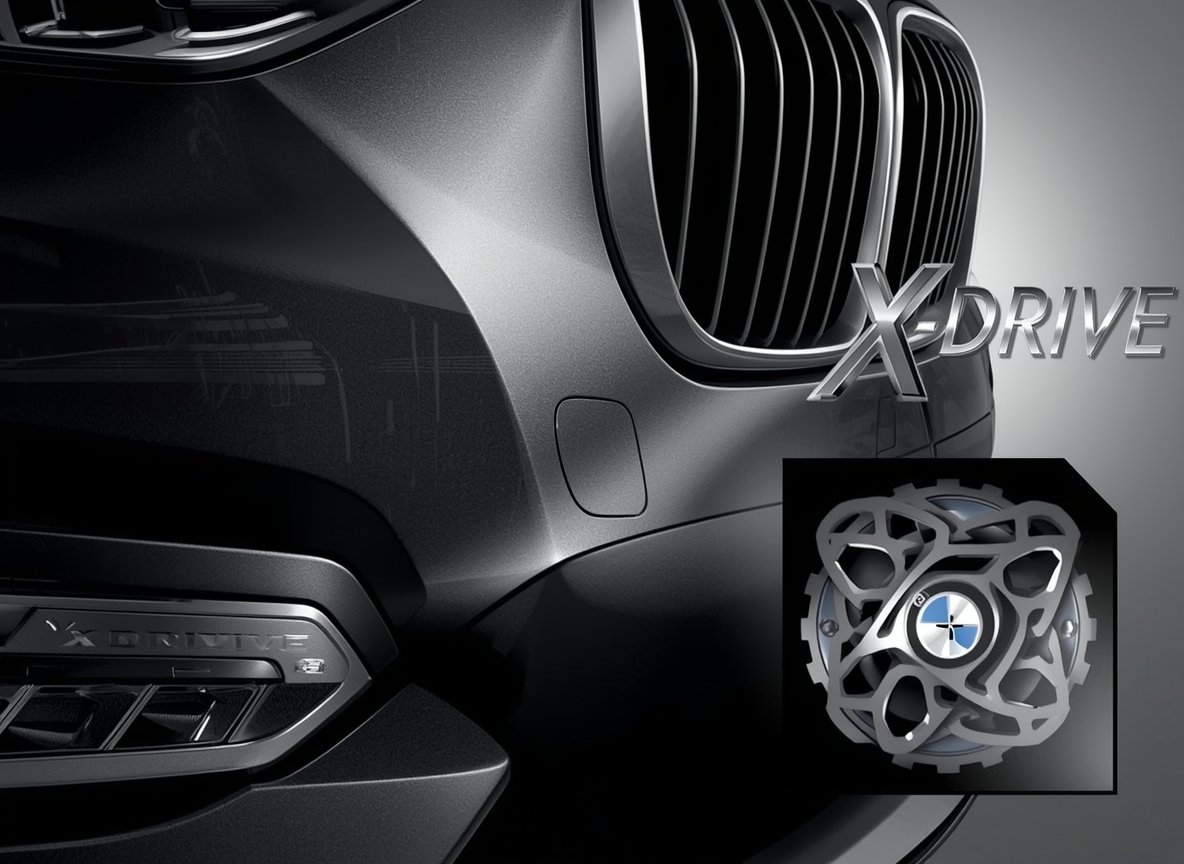
BMW’s xDrive is a smart all-wheel-drive system that can vary torque between the front and rear axles using a multi-disc clutch inside the transfer case, managed alongside stability/traction control (DSC). In simple terms: sensors detect traction differences, and the system adjusts clutch pressure to shift torque where it’s needed.
This article is for educational and general information only.
That “smart” design is why xDrive feels stable in the rain and confident on twisty roads. But it also means a few specific weak points can trigger expensive repairs or confusing warning lights—especially with mismatched tires, neglected transfer case fluid, or a failing actuator/DSC component.
Quick truth: Many “xDrive problems” start with tires. Always check tire match and rolling circumference before buying parts.
Common xDrive warning signs (don’t ignore these)
xDrive issues usually show up in three patterns:
1) Jerking or shuddering
- Shudder during low-speed turns (parking lots, roundabouts)
- Jerking when accelerating gently from low speed
- Vibration under light-to-medium load
2) The “trifecta” lights
You may see multiple warnings together:
- ABS / Brake / DSC lights
- 4×4 / xDrive malfunction messages
- Sometimes “Drivetrain malfunction”
BMW has published bulletins describing actuator-related faults that can show ABS/Brake/DSC warnings together. (Example bulletin PDF: NHTSA)
3) Clicking noises after switching the ignition on/off
Repeated clicking from the transfer case area can be a strong clue. BMW has linked audible clicking during ignition cycles to actuator issues in published service guidance. (NHTSA)
1) Transfer case shudder/jerk caused by tire mismatch or uneven tire wear
This is one of the most overlooked xDrive “problems,” because the transfer case gets blamed when the root cause is actually the tires.
BMW service information has identified driveline jerking/shuddering during low-speed turns as potentially caused by:
- Unevenly worn or incorrect-fitment tires, and/or
- Transfer case oil that does not meet BMW specifications
What it feels like
- Drivetrain shudder in tight turns
- A “hopping” or “binding” sensation at full steering lock
- Jerky pull-away when accelerating gently
Why it happens
If tires don’t match closely enough, xDrive can interpret the different wheel speeds as slip. That can keep the clutch engaged more than it should, increasing heat and wear.
Fixes to check (in the right order)
- Confirm all four tires match the correct size/spec for the vehicle (door placard)
- Confirm tire brand/model match across axles where possible
- Check tread depth and wear consistency across all four tires
- If tires check out, move to transfer case oil/spec checks (next section)
Buyer tip: If an xDrive test drive shudders in slow turns, inspect tire brand/model/tread depth on all four tires before assuming the drivetrain is faulty.
2) Transfer case oil issues (wrong spec or aged fluid)
BMW service guidance has included incorrect or non-spec transfer case fluid as a contributor to shudder/jerking symptoms in some xDrive applications.
What it feels like
- Shudder that’s worse when warm
- Jerking during gentle acceleration or low-speed cornering
- Sometimes no warning lights at all
What to check
- Paperwork showing transfer case service
- Proof the correct BMW-spec fluid was used
- Whether adaptations / diagnostic checks were performed after service (shop-dependent)
3) Transfer case actuator (VTG servo motor) plastic gear wear
This is a well-known xDrive failure point on certain BMW platforms. BMW has described internal wear to plastic gears in the transfer case actuator and identified repair paths in service bulletins. (NHTSA bulletin PDF)
Typical symptoms
- ABS/Brake/DSC warnings illuminated
- Possible drivetrain malfunction message
- Clicking from the actuator during ignition cycles
Smart fix path
- Don’t guess—scan for VTG/transfer case and DSC faults (BMW-capable diagnostics)
- If codes + clicking match the bulletin pattern, actuator repair/rebuild is often the targeted fix
4) DSC/ABS warnings triggered by software or calibration issues
Not every “xDrive problem” is mechanical. BMW has documented cases where DSC/ABS/brake lamps illuminate due to software calibration issues, with the prescribed correction being vehicle programming with BMW diagnostic software. (Example bulletin PDF: NHTSA)
Buyer warning
A car can drive “okay” while storing history faults that only appear with BMW-capable diagnostics. If a seller says “it just needs clearing,” insist on a proper scan of DSC and transfer case modules—not only basic engine codes.
5) Wheel speed sensor faults (and rare control-unit complications)
Wheel speed sensors are fundamental to stability control and AWD logic. If one sensor signal is implausible, the system can disable functions and trigger multiple warnings. Treat persistent wheel-speed faults seriously and diagnose properly before replacing random parts.
- DSC warning light while driving
- Wheel speed-related fault codes
- In broader cases: ABS/traction/4×4 warnings together
How to diagnose xDrive problems without wasting money
Use this order to avoid expensive “parts darts”:
- Tires first (match size/spec, wear consistency, avoid mixed sets)
- Scan BMW modules (DSC + transfer case/VTG, not just generic OBD)
- Listen for actuator clicking during ignition cycles
- Verify software level if faults match known calibration issues
- Only then consider hardware (transfer case mechanical wear/rebuild)
Buying a used BMW xDrive: quick checklist
- Tires: all four matching size/spec, similar wear
- Test drive: slow full-lock turns + gentle pull-aways
- Warnings: never ignore ABS/DSC/brake lights—even if they “go away later”
- Noise: listen for actuator clicking during ignition cycles
- Service history: evidence of transfer case service with correct fluid
- Recalls: check open recalls using BMW’s VIN lookup for your region (example: BMW UK recalls)
FAQs
Can mismatched tires really cause xDrive shudder?
Yes. BMW service guidance has identified unevenly worn or incorrect-fitment tires as a primary contributor to jerking/shuddering symptoms on some xDrive applications.
Why do I get ABS/Brake/DSC lights together?
That combination can be associated with actuator issues in certain BMW service bulletins, and it can also appear with wheel speed sensor or software/calibration faults depending on model and year. Start with a proper BMW-module diagnostic scan.
Is every xDrive shudder a transfer case replacement?
No. Many cases start with tires or fluid spec issues. Actuator repair is also a common targeted fix when its internal gear wears.
Sources
- BMW transfer case actuator bulletin (NHTSA PDF)
- BMW DSC/ABS software/calibration bulletin (NHTSA PDF)
- BMW recalls lookup (example: BMW UK)
About the author
publishes practical car ownership guides and diagnostics checklists at DriversAdvice.com. For corrections or updates, please use the site contact page.